
God Knows Best.
On rejection, editing, and killing your darlings.

Around this time last year, I directed my first film.
A short called God Knows Best.
The story was inspired by two friends of mine who had unexpectedly lost their husbands. No one expects to become a widow in their thirties. And when it happens, the condolence messages arrive in waves. People search for something comforting to say, something that might soften the unbearable.
One phrase appears again and again.
God knows best.
Watching my friends navigate their grief, I found myself sitting with that sentence. Turning it over in my mind. Questioning it. Wondering what it actually means to say something like that in the face of devastating loss.
Eventually, I wrote the film.
Part question.
Part surrender.
The film stars Wini Efon, a dear friend and a brilliant actress who had just begun her career. Her first film, the acclaimed My Father’s Shadow, had been selected for Cannes. While she was preparing for that moment, it felt right to privately screen God Knows Best alongside it.
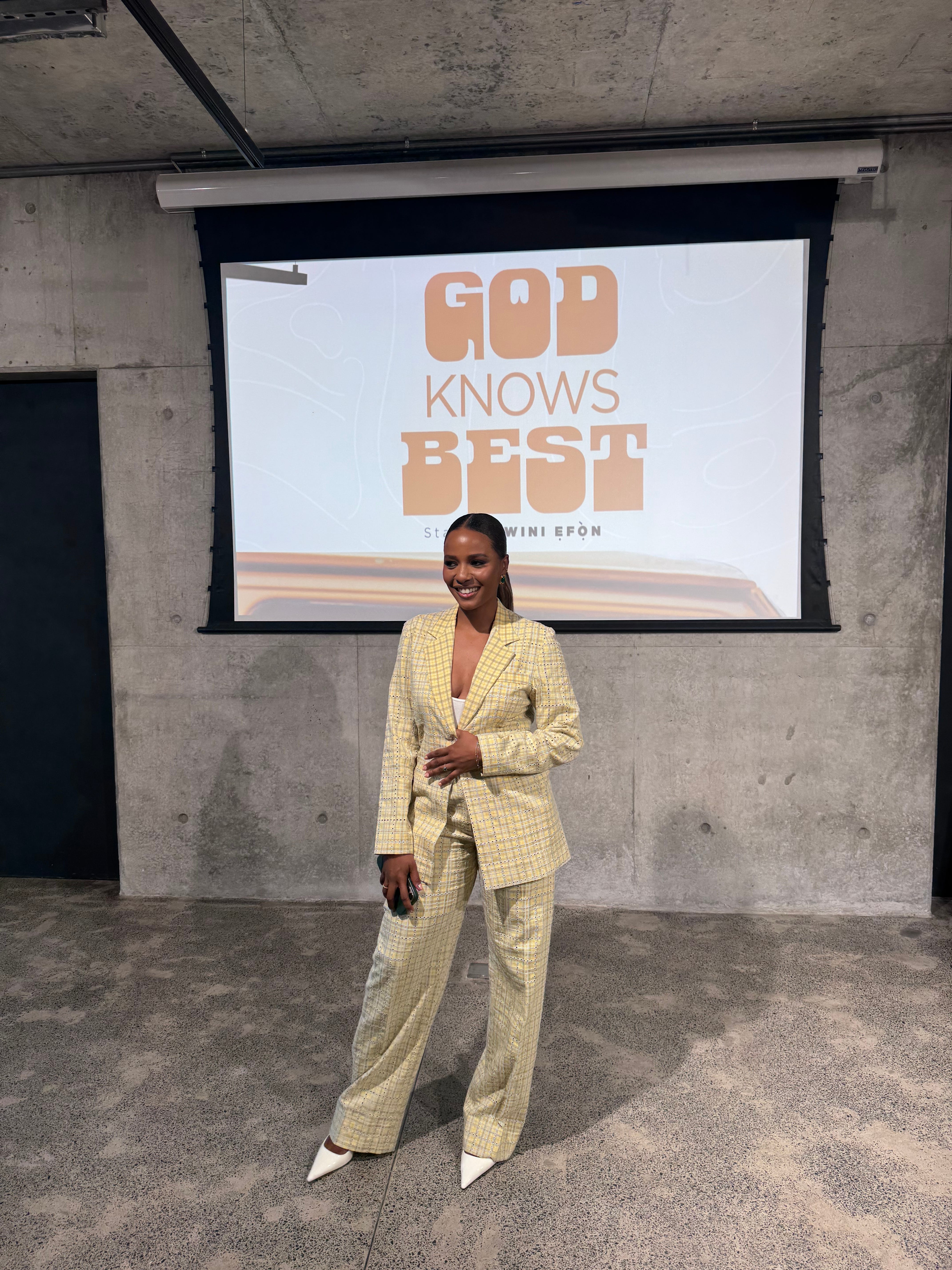
We had the highest hopes. And rightly so. We were proud of what we had made.
We shared it online. Did a few press rounds. Messages of congratulations poured in — from people who had seen the film and from people who had simply seen the announcement.
I felt humbled and exhilarated.
Finally, I had stepped into something new.
Director.
Watch out, world.
I submitted the film to the major festivals. And a few smaller ones.
Then the emails began arriving.
Not acceptances.
Rejections.
One by one. As each notification date came and went, the pile grew.
In response, I adopted what I now recognize as a very enthusiastic — some might say slightly toxic — positivity. I began celebrating the rejections.
Because God knows best, I would say cheerfully to Wini and my producer. If this door has closed, it must mean the one God is preparing for us is even bigger.
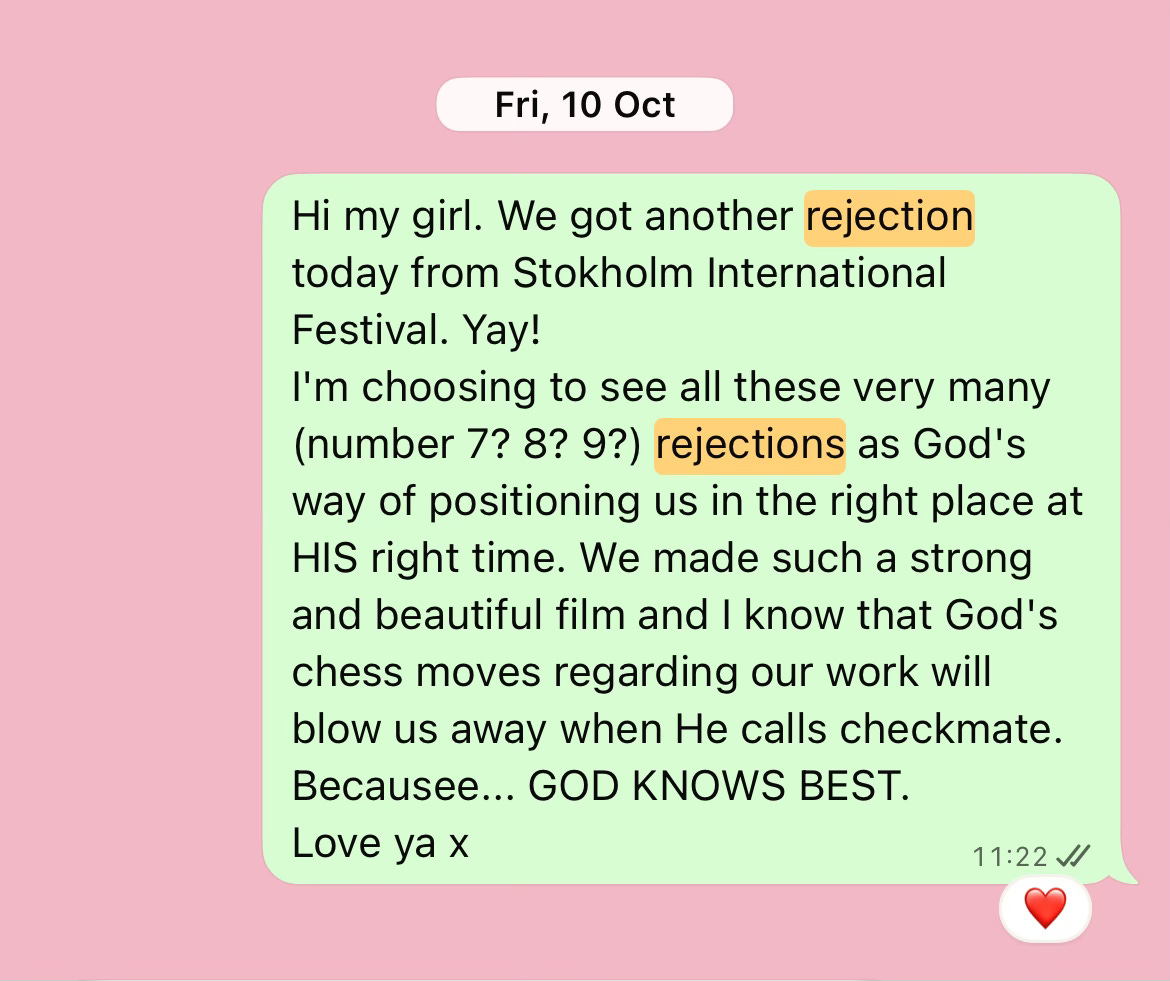
In my spirit, there was one particular festival I believed we were meant to wait for. Their notification date was in December.
Months passed.
Finally, the day arrived.
December 5.
I logged into the portal and opened my dashboard.
There it was.
Not Selected.
My heart dropped.
I had been certain this was the one.
But alas — another closed door.
So I did what many creatives do when disappointment arrives. I parked the film somewhere in the back of my mind and turned my attention to everything else in front of me.
Life moved on.
Then sometime in January, I attended my friend Taiwo’s event — a gathering of creatives he had put together. I was actually traveling that night, but I wanted to show my support. So I took a gamble with Lagos traffic.
Suitcase packed.
Airport after.
I arrived early — very early by Lagos standards — and began chatting with some of the people who were already there.
One of them was a cinematographer whose work I deeply admire.
He asked about my film.
I shrugged.
“I guess no one wants it,” I said.
“Why?” he asked.
“They keep rejecting it,” I replied. “Maybe it isn’t for them. It’s a foreign language film. Maybe it isn’t topical. Maybe it isn’t what they’re looking for.”
He listened quietly, almost like a sensei.
Then he asked a simple question.
“Are you proud of the work?”
“Yes,” I said. “I really am.”
He nodded.
“Then that’s it,” he said. “You made something. You created something. Whether it’s accepted or not doesn’t change that.”
I felt tears rush to my eyes and quickly swallowed them back down.
Not today.
Not here.
He offered to watch the film and mentioned something others had already told me — the running time. The film was forty minutes long. A very long short. Most festivals prefer under twenty minutes. The strongest ones are often under fifteen.
By then the host had arrived. I said hello. Then goodbye.
And somehow, miraculously, I still made my flight.
A week or two later another friend — also a filmmaker — called me out of the blue.
“How’s it going with God Knows Best?” he asked.
The answer came easily.
“Nothing.”
“You need a new editor,” he said immediately. “I know someone.”
He recommended an editor whose work I deeply respect and suggested I give the film to someone with fresh eyes.
Now, I am someone who pays attention to coincidences. Or rather, I have learned how to follow the small threads of serendipity — which, if I’m honest, are often just another word for grace.
So I called the editor.
His name, fittingly, is Bishop.
It felt strangely appropriate that a man named Bishop should be editing a film called God Knows Best.
He watched the film and called me back.
“I know exactly what to do,” he said.
But he would need time. He asked for everything — the script, the rushes, all the material. His plan was to give me a completely new edit.
I sent everything.
And once again, I removed the film from my mind.
I’m quite good at not obsessing over things outside my control.
Except for one day when I sent him a voice note.
There was something important I needed him to understand before he began.
The why.
He could cut anything else. But the why — the emotional seed that birthed the story — could not be removed. Cutting that would be like cutting the root of the entire film.
He said he understood.
Weeks passed.
Then one day he sent the new cut.
“Keep an open mind,” he warned.
I pressed play.
Eighteen minutes later, the film ended.
At every moment I could see what had been removed, repositioned, reshaped. Scenes I loved had disappeared.
When the film ended, I pressed play again.
This time I watched it knowing some of my favorite moments would not return.
There is a phrase in writing: kill your darlings.
It means being willing to remove the things you love for the sake of the work. Nothing is too precious to go, as long as the heart of the story remains intact.
Bishop had cut one of my favorite scenes — a moment where the character gets into a fight, ends up with a black eye, and sits surrounded by judgmental aunties doing what aunties do best: judging.
“That’s not what the story is about,” he said gently.
“This is a story about a woman who loses her husband and must take on his job to support her family while navigating grief.”
Everything else, he explained, was extra.
I knew he was right.
I was fighting for my darlings.
But they had to go.
They had to go so the real story could breathe.
Letting go is one of the hardest disciplines in creative work.
Not just letting go of scenes.
Letting go of the idea you had in your head.
Letting go of the version of the work you first fell in love with.
Letting go of the belief that more automatically means better.
Editing, in its purest form, is not subtraction.
It is revelation.
It is the slow process of uncovering the thing the work was trying to become all along.
The film was inspired by two friends who lost their husbands in devastating and unexpected ways. One of them, in particular, stood up with remarkable resilience. She became both mother and father to two young boys. She defied every stereotype I had ever seen about widowhood.
That was the story.
Not funny aunties.
Not random fights.
Those moments were not wrong. But they were not the heart.
And creative maturity often arrives the moment you realize that protecting the heart of the work sometimes requires sacrificing the things you love most about it.
It would be wonderful if this letter ended by saying the film has now been selected by a major festival.
But it hasn’t.
We are still editing. Next comes re-scoring, sound design, and color.
And yet the process has already taught me something important about creativity.
Good creative work is editing.
Not just in film.
In writing.
In painting.
In life.
Editing is the discipline of asking:
What actually matters here?
Rejection can do the same thing.
It forces you to look again.
To refine.
To sharpen your instincts.
Sometimes rejection is simply the world telling you the work is not ready yet.
Sometimes it means the world is not ready yet.
And sometimes — the possibility we rarely consider — rejection is quietly guiding the work toward what it was meant to become.
Looking back, I can see that this process has been an invitation.
An invitation to loosen my grip.
To listen more carefully.
To trust the unfolding.
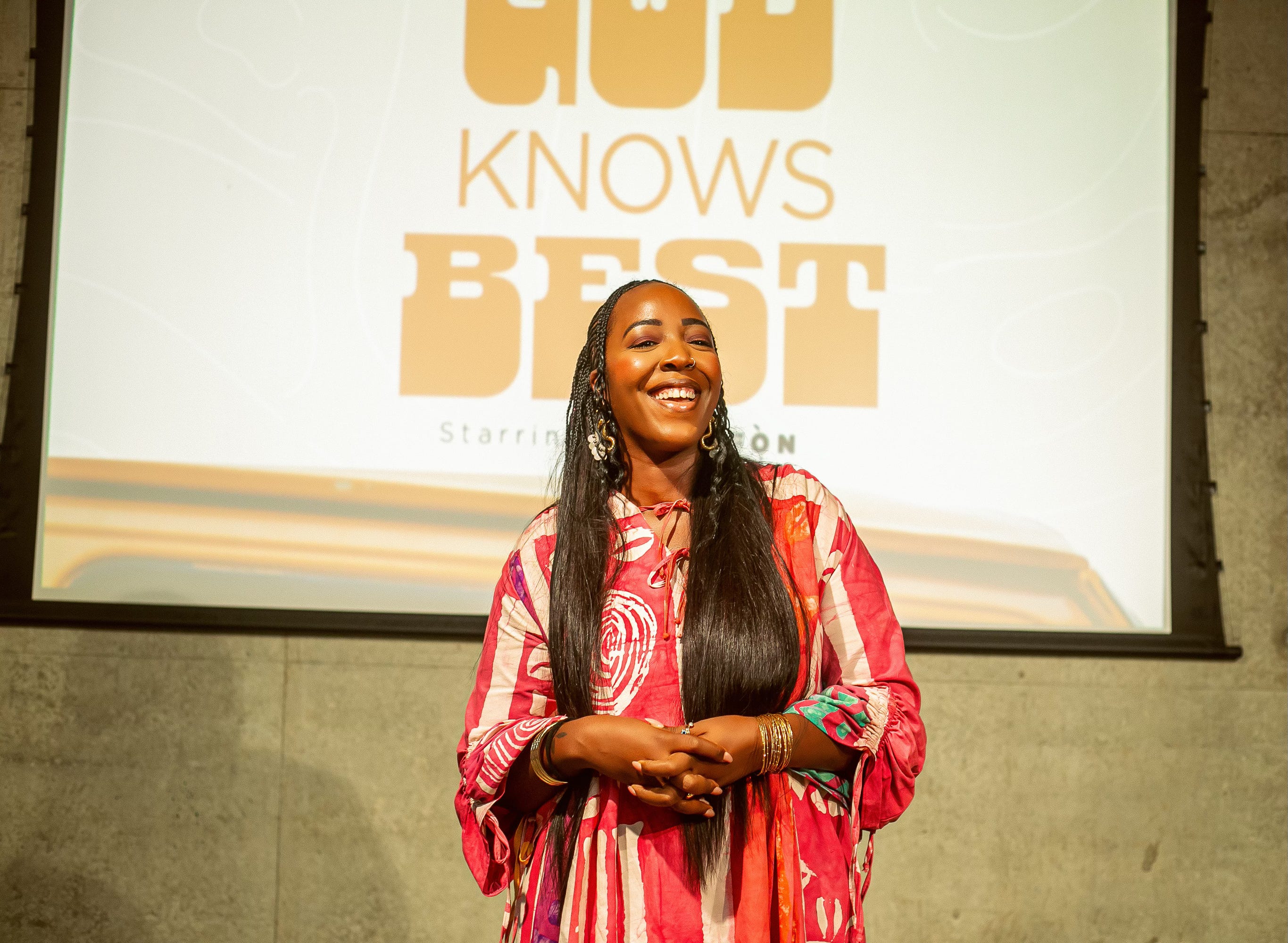
Perhaps that is what God knows best really means.
Not that every outcome will make sense immediately.
But that the story is still being edited.
Because sometimes rejection is not the end of the story.
Sometimes it’s simply the first cut.
What I’m Reading
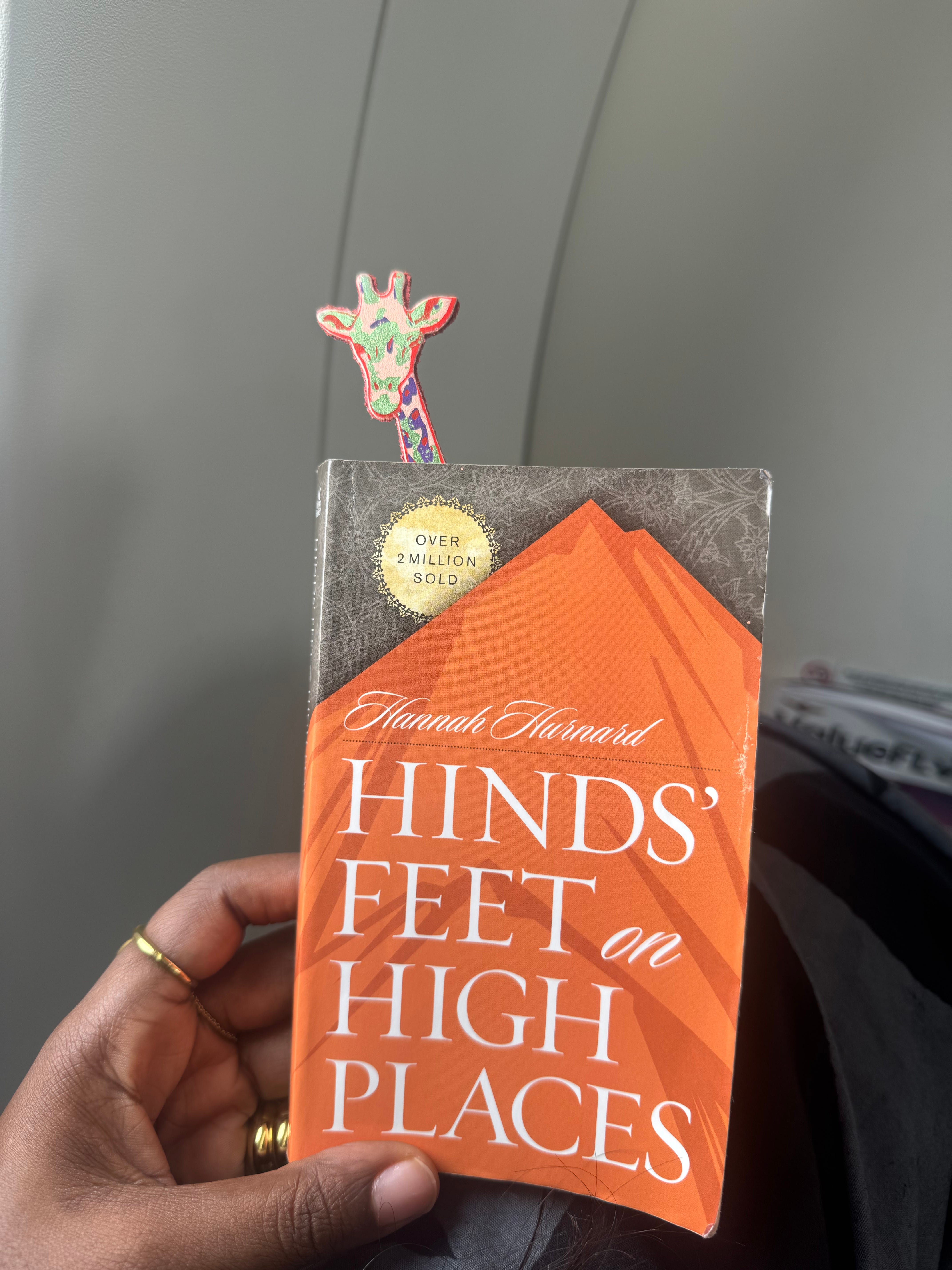
I am still reading this book, but this time it feels different. It is as though God has taken the scales off my eyes — and my heart — allowing me to truly see the stories and lessons within it, and to receive the beautiful hardship that comes with this journey of life.
It has kept me in a certain posture, one that understands what it takes to reach those high places. And it reminds me that if I have not arrived there yet, it is not because the path is closed, but because God is still developing my feet.
Sending you lots of love.
Xo,
Nicole
❤️❤️❤️
this was really what i needed to hear in this season. i wrote a musical script two years ago and ive been editing it on and off ever since, but i keep getting rejected from competitions or things keep going wrong. but i really believe in this script and feel like it’s from God. some days i just feel grief about the script, some days i forget about it, but there’s always this tugging to come back to it. reading this, i just feel really encouraged to stick with it and trust God in the process 🥹