
When the Path Disappears
On staying aligned when life doesn’t slow down

On the last night of the year in my village, my family usually gathers at my late grandparents’ house. Cousins, aunties, neighbours who feel like cousins — people who don’t need invitations because they already belong. Music plays from someone’s phone. Food moves from hand to hand. One uncle retells a story we’ve all heard before, and somehow it’s still funny.
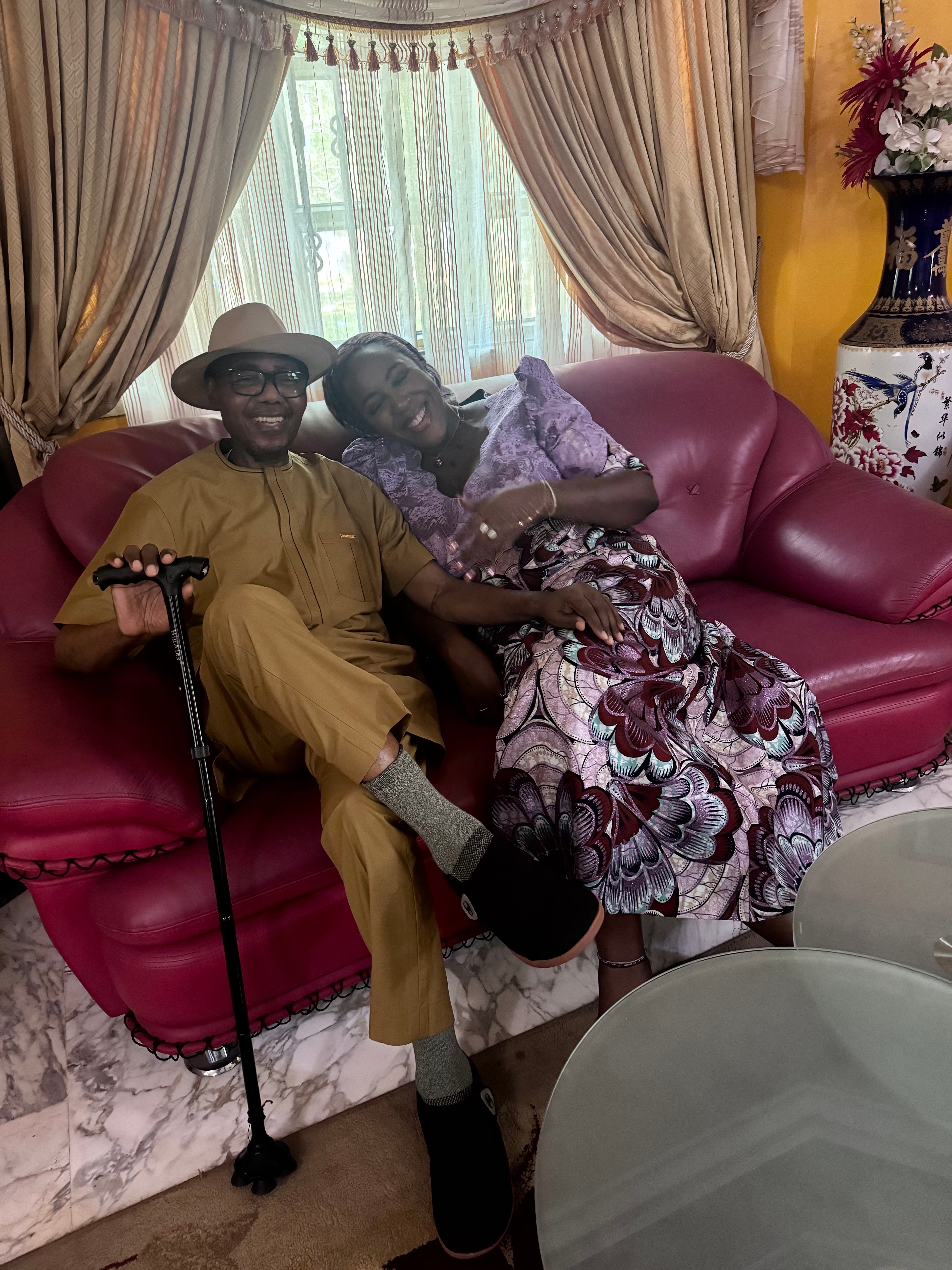
Outside, bangers go off to mark the passing of the year. There’s usually a little praise, a little worship, a prayer before midnight. And sometimes, the sharp sound of guns fired into the air — exciting from a distance, unnerving up close — mixed with the shouts of people relieved to see another year arrive.
It’s a loud, communal way to enter a new beginning.
This year, I didn’t go.
Not because I don’t love it. Not because I don’t want to be there. I do. But I needed something else from that moment. I needed quiet. I needed space. I needed to talk to God — not casually, not in passing, but properly.
There were things I wanted to clear before the year began. Patterns I didn’t want to carry forward. Ways I had been moving that no longer felt aligned. I didn’t want to enter another year hoping clarity would show up eventually. I wanted to begin in the right order.
So I stayed back.
I went to my room and closed the door. I prayed. I wrote. I tried to be still long enough to hear what had been competing for my attention all year. I wasn’t asking for a vision. I was asking for honesty. I wanted to start clean.
And when January came, I felt steady.
I had a vision day with my team that grounded me — the kind that reminds you why you do the work in the first place and reassures you that you’re moving in the right direction together. For a moment, it felt like the reset had worked.
And then I had to travel for work.
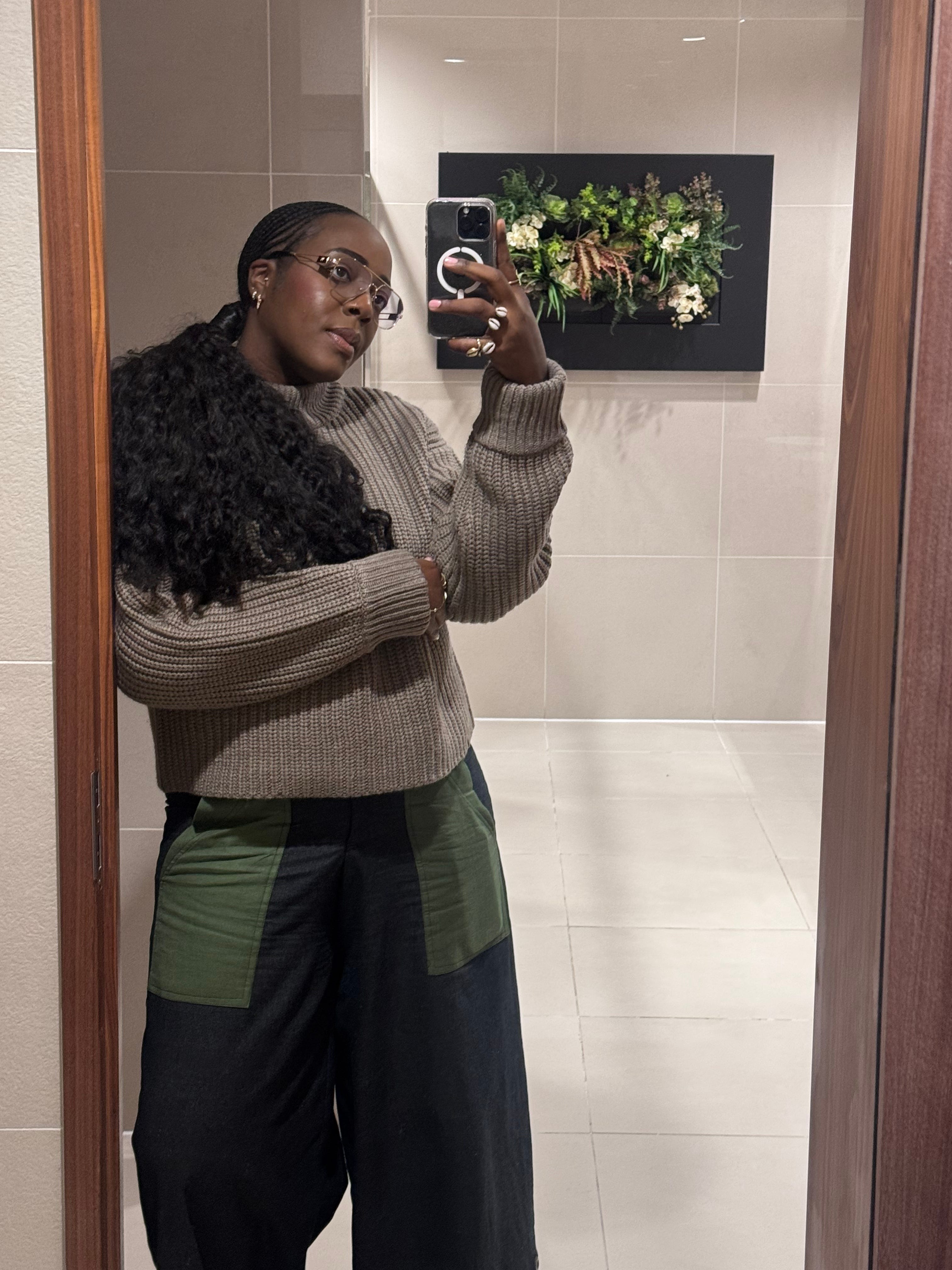
Different weather. Unfamiliar beds. Days filled with deliverables, one obligation flowing into the next. Reasonable things on their own, but collectively demanding. Somewhere in that movement, my attention began to slip.
My back started to protest. My prayer life shortened without me noticing. And I caught myself doing a familiar calculation — one I’ve made before: if I keep this pace, I’ll be burned out by April, quietly wishing the year would hurry up and end, already telling myself that maybe the next year would be my year.
That’s when I recognised the pattern.
Clarity doesn’t disappear dramatically. It erodes quietly. Good things multiply until they become too many things. Momentum turns into weariness. A worthy distraction enters, the path bends slightly, and suddenly life feels like something you’re managing instead of choosing.
Distraction never announces itself as danger. It wears the language of usefulness — productivity, opportunity, responsibility. The busyness doesn’t stop. The demands don’t slow down. If anything, they increase. And if you don’t choose alignment deliberately, something else will always choose for you.
I was in Switzerland for the World Economic Forum, a place defined by urgency. Meetings stacked on top of one another. Conversations bleeding into each other. A constant sense that everything mattered and nothing could wait.
One morning, before the day demanded anything of me, I stood by the window of our Airbnb. The view was vast in a way that stopped me mid-thought — not just beautiful, but commanding. Immense landscapes unfolded into one another, unmoved by human ambition or urgency. It wasn’t a view you admired quickly. It demanded stillness.
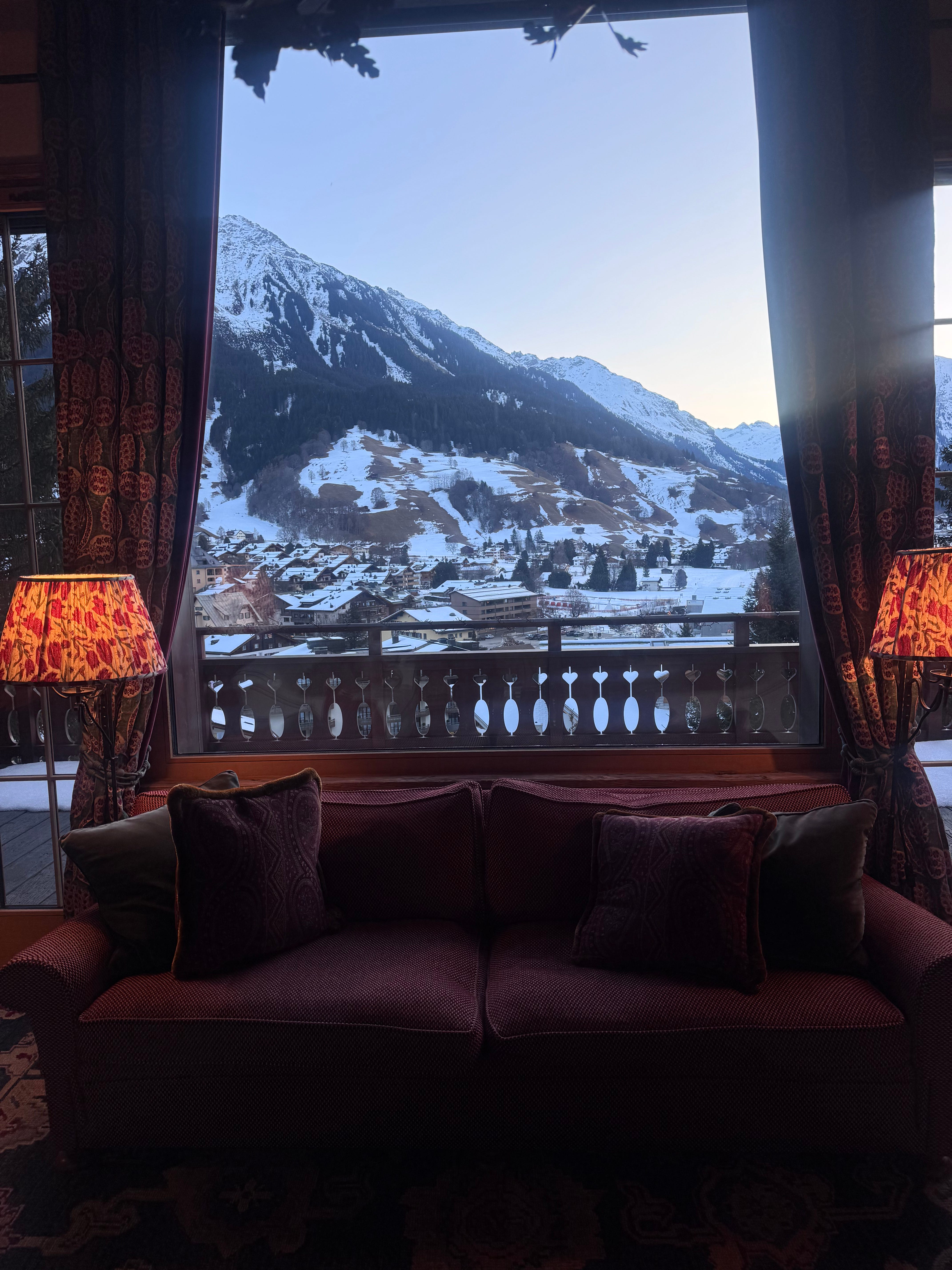
Standing there, I realised something plainly: I had been running on fumes.
All I wanted was to sit. To read. To journal. To talk to God — not with effort or structure, just honestly. I had already been reading a book that asks you to confront the beliefs that limit you, and for the first time, I felt ready to do the work it was asking of me.
I wrote down the things I had been avoiding and set them against the truth. I prayed. I released what I could. And clarity returned — quickly, almost easily.
That’s the part we don’t talk about enough. It isn’t always hard to come back to yourself. Sometimes, all it takes is one honest hour.
But I’ve learned this the hard way: clarity has always come easily for me.
I’ve had moments of deep certainty before. Seasons where everything felt aligned. Where I could see clearly, move decisively, and trust myself fully. I used to think those moments meant I was fixed — that I’d crossed some invisible threshold.
I hadn’t.
What usually followed was a slow drift. Not rebellion. Not collapse. Just accommodation. Saying yes a little too often. Letting urgency dictate my days. Telling myself I’d return to myself when things settled down.
They never did.
Over time, I began to recognise the pattern not just in my schedule, but in my body. The tightness. The fatigue. The way my prayer life thinned out — not intentionally, just quietly. I would keep going until something forced me to stop.
Burnout would arrive like a surprise, even though it wasn’t.
Each time, I would return — to God, to myself, to stillness — and clarity would meet me there. Faithful. Gentle. Available. And each time, I mistook that return for completion instead of what it really was: an invitation to change how I lived after the moment passed.
Clarity was never the problem.
What came after it was.
Staying requires a daily check-in — not just with your schedule, but with your body, your spirit, your attention. It means plugging in every day, before the world plugs into you. Before the meetings. Before the demands. Before the noise begins.
There’s a reason the instruction is to seek first. Not seek occasionally. Not seek when things fall apart. Seek first. Daily. Because the busyness will always come. The distractions will always arrive. And if you abandon yourself for urgency — even good urgency — the pattern of stopping and starting will repeat.
I’ve lived long stretches of sprinting and collapsing. Clarity followed by exhaustion. Recovery followed by overextension. Like a car that keeps jerking forward — never fully breaking down, but never quite settling into a smooth rhythm either.
The problem wasn’t capacity.
It was pace.
I was trying to run a marathon in sprints.
Staying the course doesn’t mean you won’t feel tired or stretched. It means the jerks don’t send you completely off-road. You notice sooner. You adjust earlier. You return before you disappear.
I travelled to London after the forum, and somewhere between flights and trains, my body gave way. The flu arrived like a warning. One quiet morning in Switzerland hadn’t been enough to refill what I’d already depleted.
Back in Lagos, I tried to return immediately to work, but my body refused. I spent a week moving between my bed and the couch, propped up by Night Nurse, pepper soup, and the low-grade guilt of feeling unproductive. And somewhere in that fog, I realised I hadn’t failed. I had simply mistaken clarity for completion.
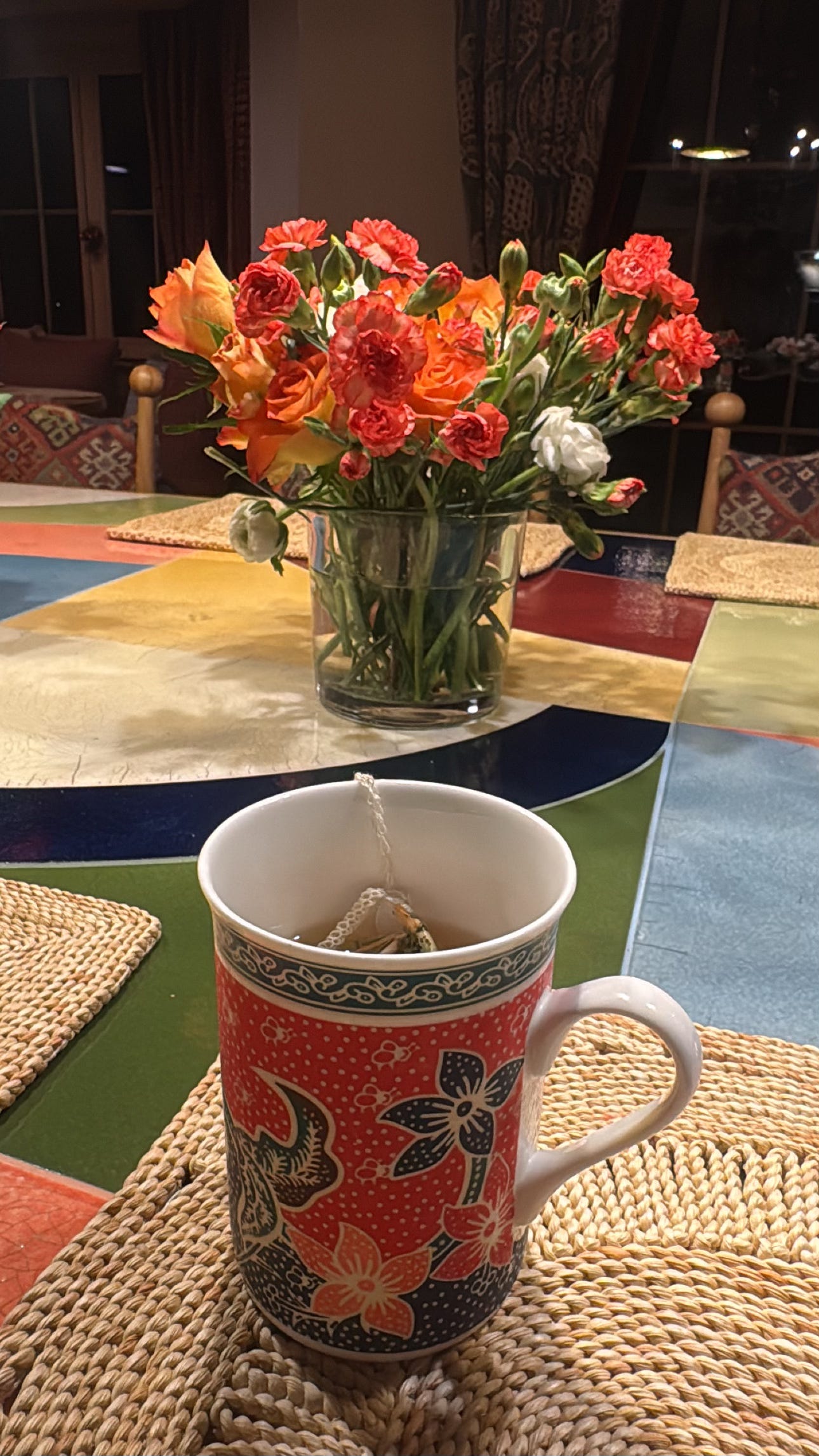
It’s astonishing how quickly it happens. How easily you can find yourself off course — especially when you thought you were doing everything right.
But this, I think, is the truth of it.
We don’t usually lose our way because we don’t know better.
We lose our way because we stop tending to ourselves once things start to work.
I once watched an episode of My 600lb Life that stayed with me. A woman had been bedridden for years, her body having become both refuge and prison. When it was finally time for her to leave her house, the walls had to be broken to get her out.
She cried — not because of the damage — but because the neighbours she feared would mock her didn’t judge her. They stood outside and clapped.
Later, she asked the doctor how people lose weight and keep it off. His answer was almost painfully simple: the people who succeed are the ones who never stop trying.
That line stayed with me.
Because the real danger isn’t getting lost.
It’s assuming that once you’ve found clarity, you’re done.
I’m learning that clarity is not rare. Alignment is.
The work is not finding myself again and again. The work is checking in daily so I don’t keep leaving. Ordering my days properly. Seeking first. Moving at a pace I can sustain.
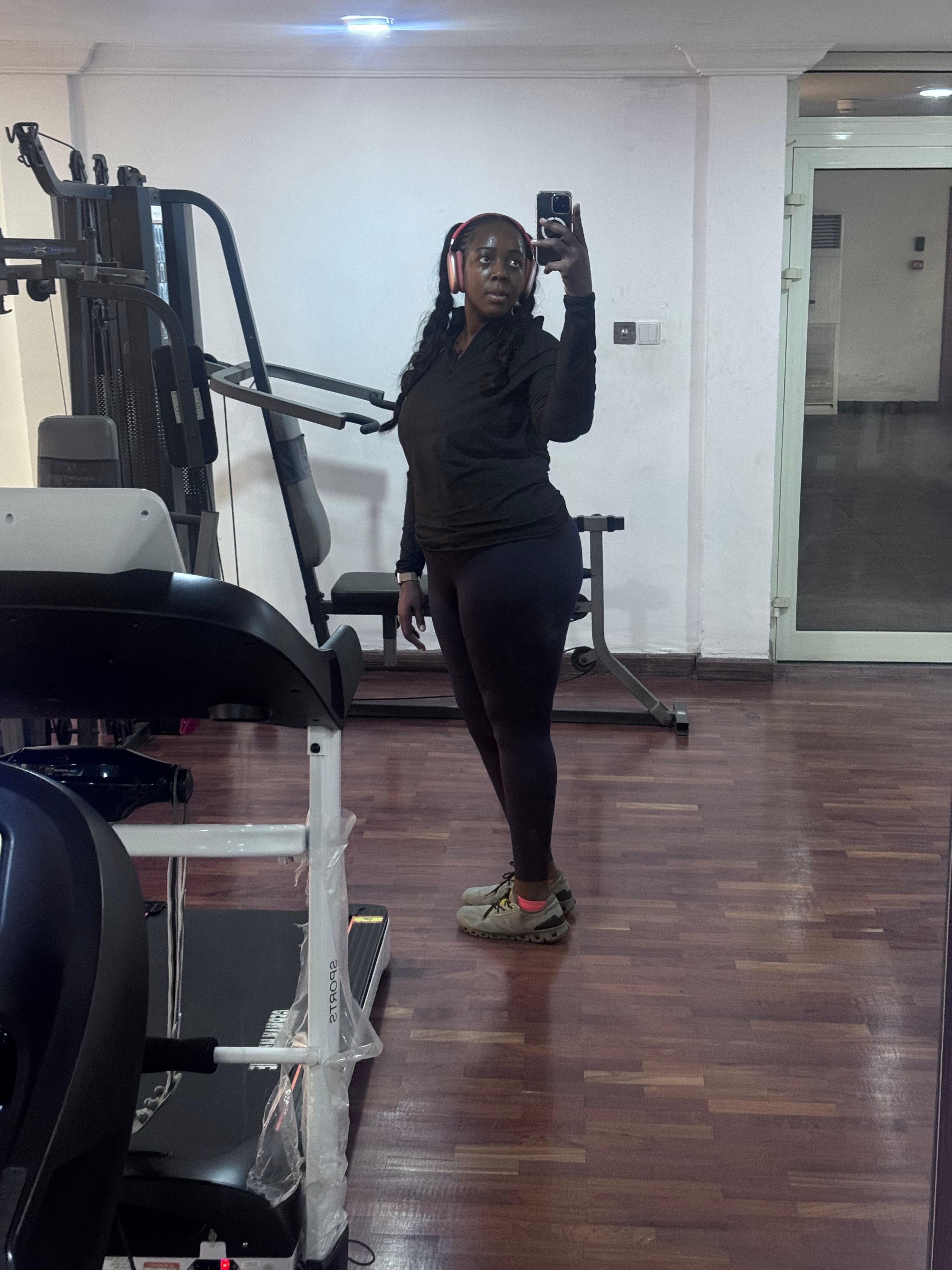
Life doesn’t slow down for this work. You have to choose it anyway.
And when you do, you don’t move faster.
You move steadier.
And steadiness, not speed, is what allows you to honour the path you’re on.
Recommended Reading
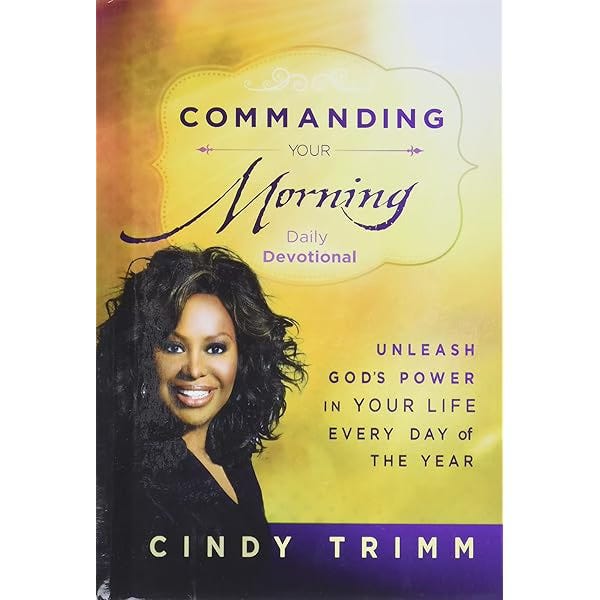
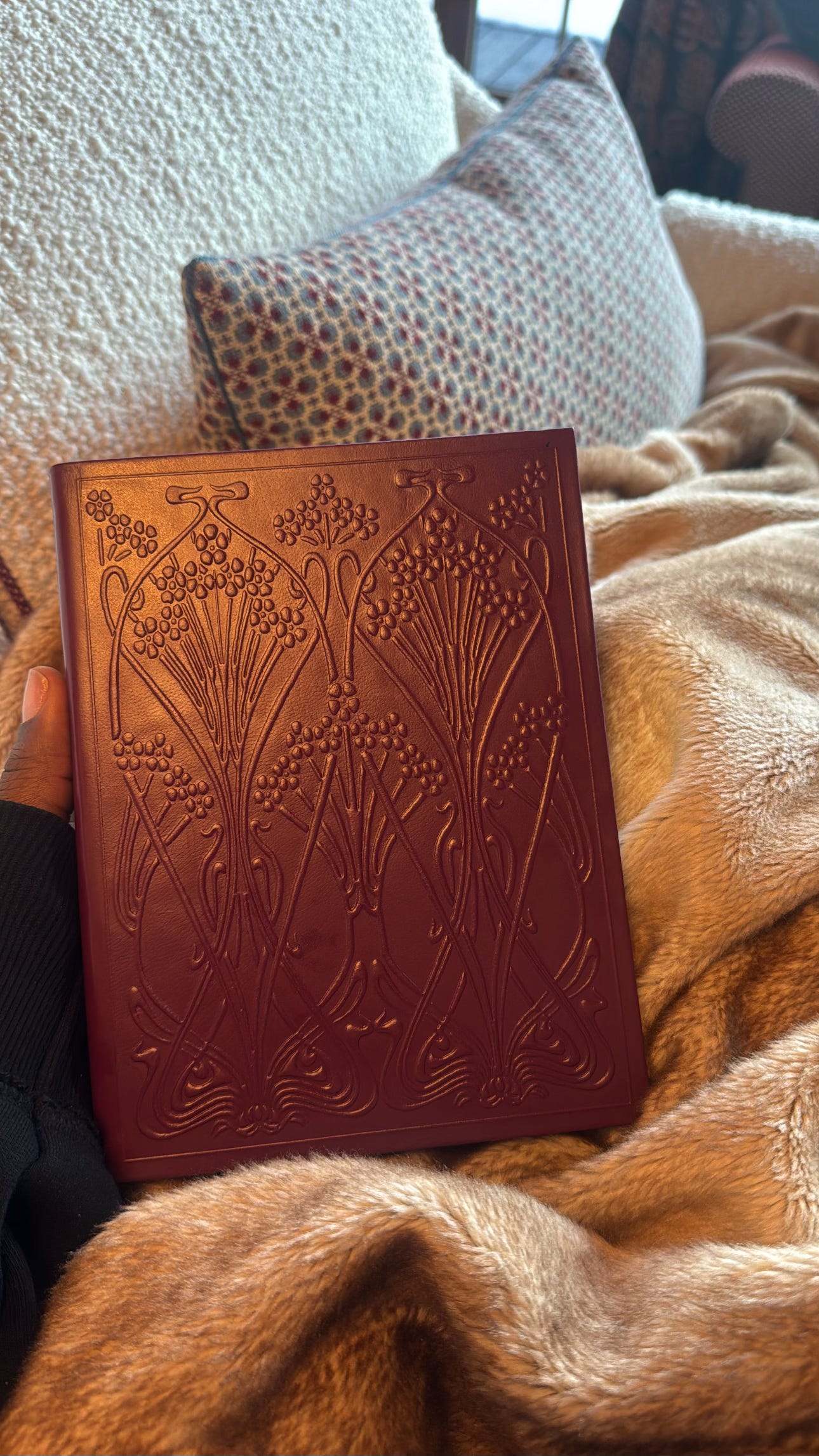
I’m back to reading this devotional. It was gifted to me by a friend in 2018 and I read it for two or three years and put it down. But now, it feels brand new again and what I need as I try and ground myself in daily self love practices. It’s bite-sized enough to return to each morning, and potent enough to hold my attention — getting me thinking, praying, and gently insisting that I start my day with intention.
Hope you have a grounded, productive week ahead.
xo,
Nicole
Moving steadier, not faster.
If we could all strive to do that
Yearly burnout and breakdowns have been my reality for a long time...
The pattern...whew! I took inventory of my life, while sitting alone in a small apartment overlooking the sea in Brasil in December 2025. I broke the pattern starting day (1) 2026. So, this piece really hit home as I continue to navigate life differently and at my own pace - a slower more calculated and consistent pace.
Thank you for your openness and clarity of thought!
Cheers