
You Cannot Destroy an Inheritance
What Flora Nwapa, a market in Onitsha, and akara taught me about creativity.

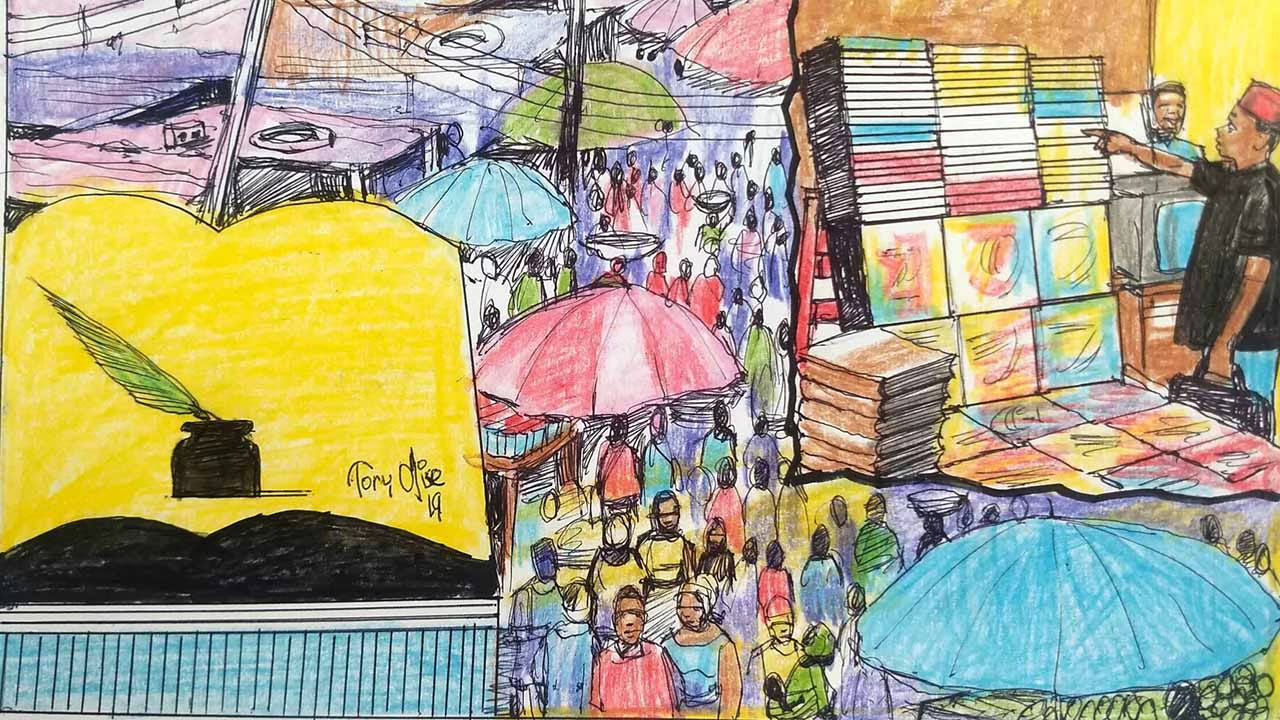
“I’m not creative.”
I hear this all the time. Kindly, almost apologetically, the way you might admit to being bad at maths. For a long time I nodded along, because who am I to argue with someone about their own interior life.
But recently, I’ve stopped believing them.
Not because I think they’re lying. Because I’ve started to suspect we’re all working from the same story, and the story is wrong. Somewhere along the way we decided that creativity was a talent. A calling. Something a small number of people were given and the rest of us weren’t. And we’ve been apologising for the wrong thing ever since.
I’ve been thinking about this because I’ve spent the last few months buried in old Nigerian magazines, forgotten essays, newspaper archives and novels I probably should have read years ago. I’m researching for a magazine we’re producing for a cultural institution, and it has taken me somewhere I didn’t expect to go.
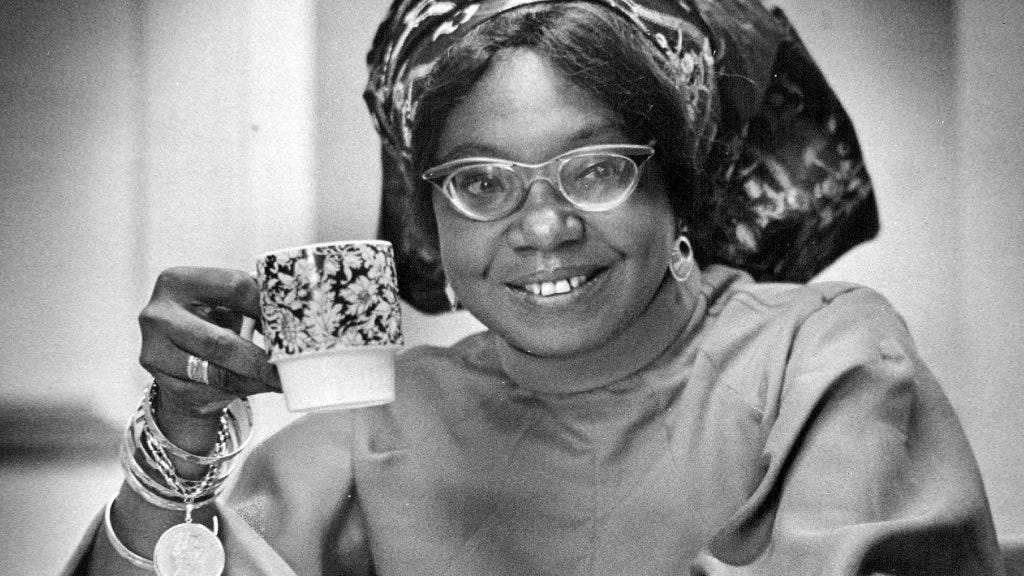
It started with Flora Nwapa.
Within a few pages of Never Again, I wasn’t reading one of Nigeria’s great novelists anymore. I was listening to my mother. My aunt. Someone sitting across from me saying, let me tell you what happened.
There was no performance to it. She wasn’t reaching for beautiful sentences. She was simply telling the story.
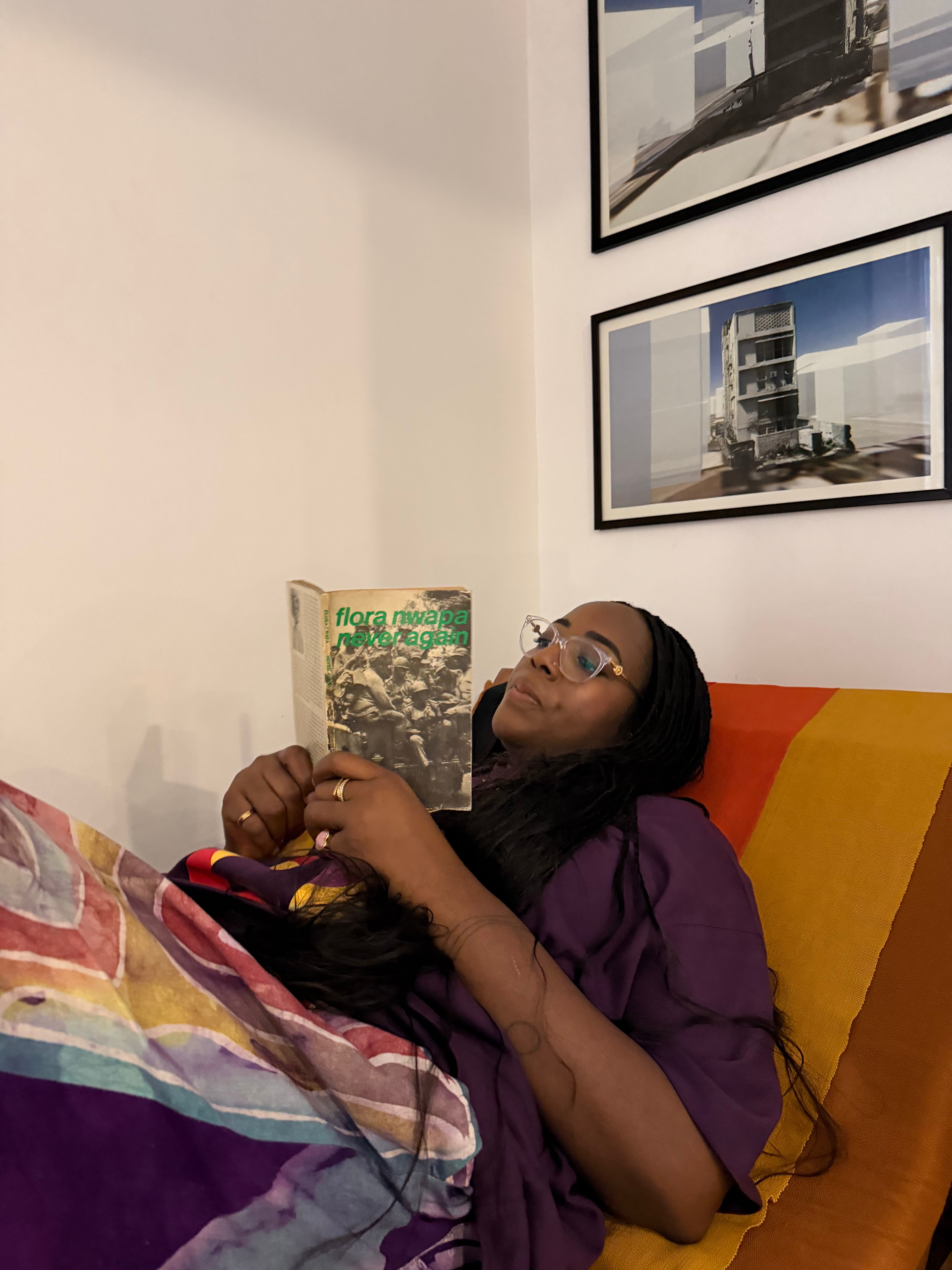
And I realised how often I do the opposite. I spend so much time trying to find the perfect sentence that I forget the only thing that really matters. Tell me what happened.
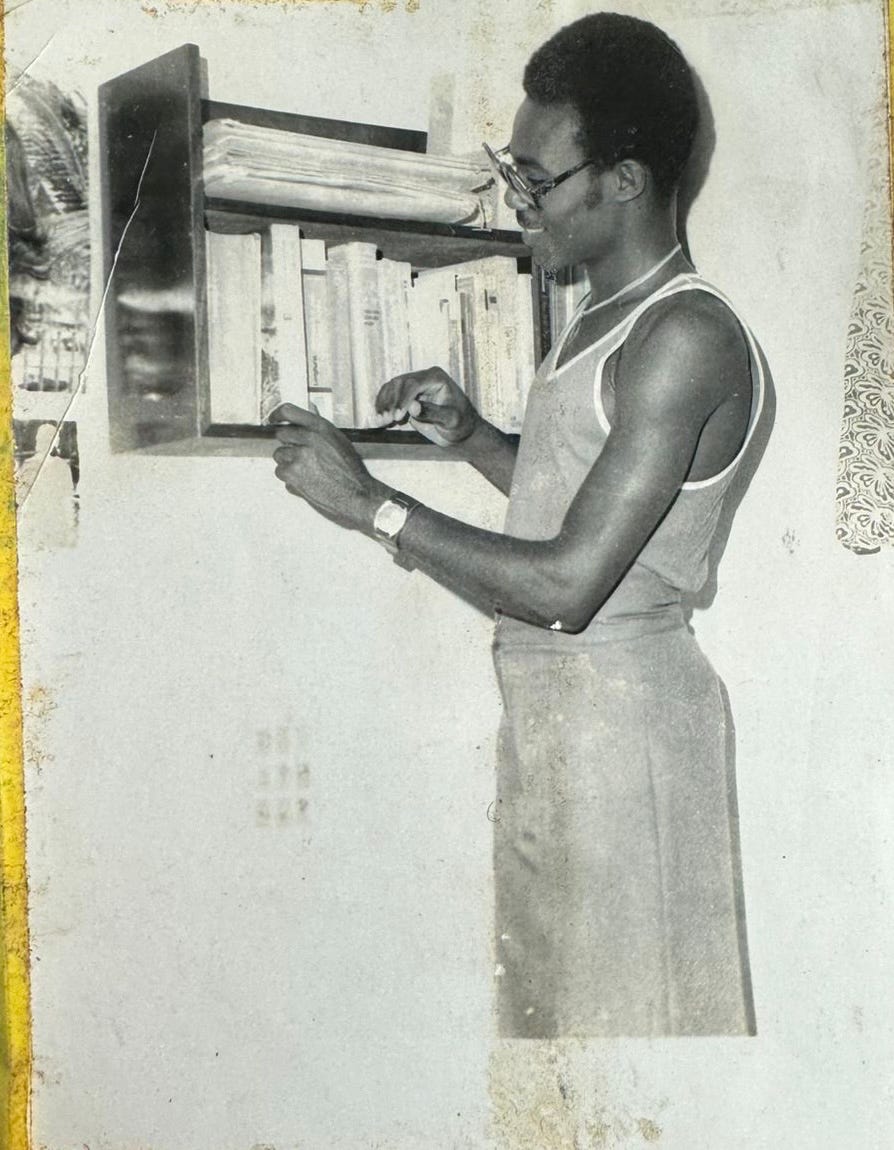
I’d always assumed I got my love of stories from my father. He’s always been a storyteller, and I suppose I imagined he inherited it from his father too. But sitting with Nwapa, I started to wonder if I’ve been tracing the lineage too narrowly.
Maybe it didn’t begin with my father.
Maybe he was carrying something much older.
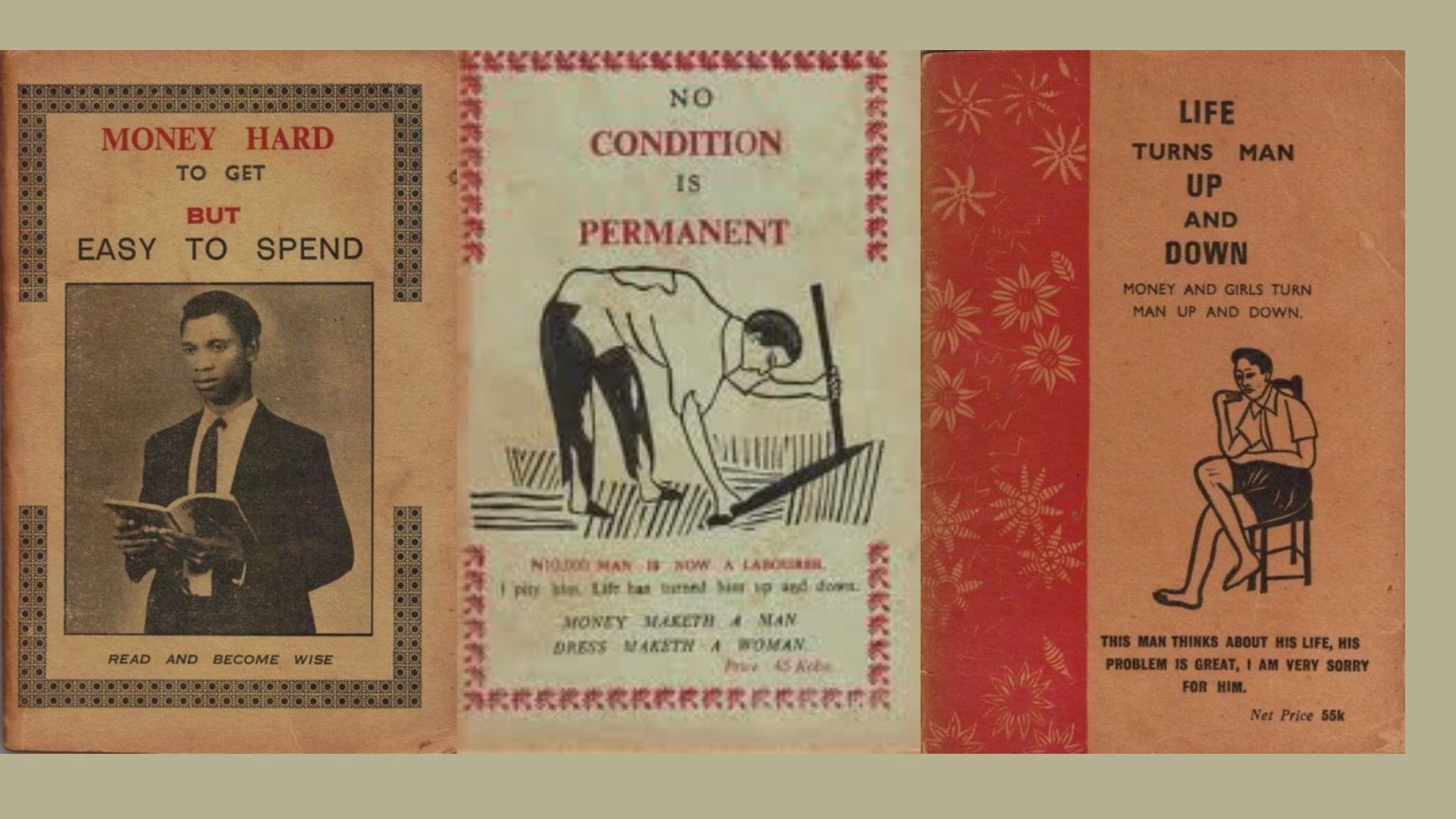
Years ago, I wrote about something called Onitsha Market Literature. I’ve been fascinated by it for a long time, but returning to it after Nwapa, it landed differently.
In the 1950s and 60s, Onitsha wasn’t just one of the biggest markets in West Africa. It was the centre of an extraordinary publishing movement. Teachers, traders, clerks and journalists were writing stories. Local printers were turning them into cheap pamphlets. Booksellers were selling them in the market. And people were buying them in huge numbers.
Just think about that for a second.
Before Nollywood. Before YouTube. Before BookTok. Before we measured success in streaming numbers, there were ordinary Nigerians queuing in a market because they wanted the next story.
But the question that stays with me isn’t why people bought the stories. It’s why people wrote them.
What made a teacher decide he could write a love story?
What made a trader believe someone would want to hear what he had to say?
Who gave them permission?
I don’t think they were waiting for it.
They had something to say. So they said it. They didn’t ask whether they were creative. They didn’t wonder if they were qualified. They wrote, printed, and sold. Then the next one wrote, printed, and sold. And somehow, in a market in eastern Nigeria, one of the great grassroots literary movements of the twentieth century simply happened.
We don’t talk about it much now. The movement was caught up in the Biafran War. Onitsha was one of the places most deeply affected, and the market itself suffered enormous destruction. The publishing ecosystem never really recovered, and over time this chapter of our cultural history quietly slipped out of public memory.
When I went looking for the original pamphlets, I expected to find them somewhere in Nigeria. Instead, I discovered that one of the largest collections is held at the Spencer Research Library at the University of Kansas.
I stared at my screen for a long time.
What concerns Kansas with Onitsha?
It wasn’t really a question about Kansas.
It was a question about us. Who keeps our stories? Who preserves them? Who decides what is worth remembering? And what responsibility we have to keep these stories alive ourselves.
I often think about Brazil, where they still make akara. They call it acarajé. Same dish, centuries and an ocean between us, carried across the Middle Passage in the only luggage that couldn’t be confiscated. They took people in chains, but they couldn’t take the recipes. Those survived because they lived inside people.
I wonder if stories work the same way.
You can destroy a market. You can interrupt a movement. You can archive an entire literary tradition an ocean away from where it was born.
But you cannot destroy an inheritance.
And you cannot take from a people what lives inside them.
So when someone tells me they aren’t creative, I don’t quite believe them anymore. I think they’ve forgotten. I think somewhere between the teacher in Onitsha and the auntie telling you what happened over dinner, we started believing creativity belonged to someone else.
Maybe the work isn’t becoming creative.
Maybe it’s remembering that we always were.
So beautiful to read. And also that's a question I have often grappled with, how do we preserve our stories? I think it's one of the reasons I write my own stories and curate women's stories too because I believe everyone has a story worth telling and not being able to string the perfect sentence should not hold you back. Beautiful read as always Nicole, well done 👍
‘Wetin concyn Onitsha with Kansas’ ?!